






Caribbean Carnival Around the World
Caribbean carnival travelled the world with its people. Here's a tour of the biggest celebrations — and how Toronto fits in.
Caribbean carnival began in the islands but travelled the world with the Caribbean diaspora. This guide tours the biggest celebrations and shows how Toronto's fits in.
Trinidad and Tobago
Trinidad Carnival is the original and the model for the rest — the birthplace of modern mas, steelpan, soca and calypso. Held before Lent, it sets the template that diaspora carnivals follow.
Toronto — Caribana
The Toronto Caribbean Carnival, long known as Caribana, is North America's largest Caribbean festival, held each summer. It began in 1967 and draws well over a million people. (Read our full Caribana guide.)
London — Notting Hill Carnival
Notting Hill Carnival in London is Europe's biggest street festival, born from the Caribbean community in Britain. Like Caribana, it features mas bands, steelpan, and soundsystems over an August weekend.
New York — West Indian Day / Brooklyn
Brooklyn's West Indian American Day Carnival, held on Labor Day, is one of the largest carnivals in the United States, complete with a pre-dawn J'ouvert.
The common thread
Wherever it lands, Caribbean carnival carries the same DNA: mas, pan, soca, and a spirit of freedom rooted in Emancipation. S.O.C.A. helps keep that living tradition strong in Toronto — explore our guides, artists, and events.
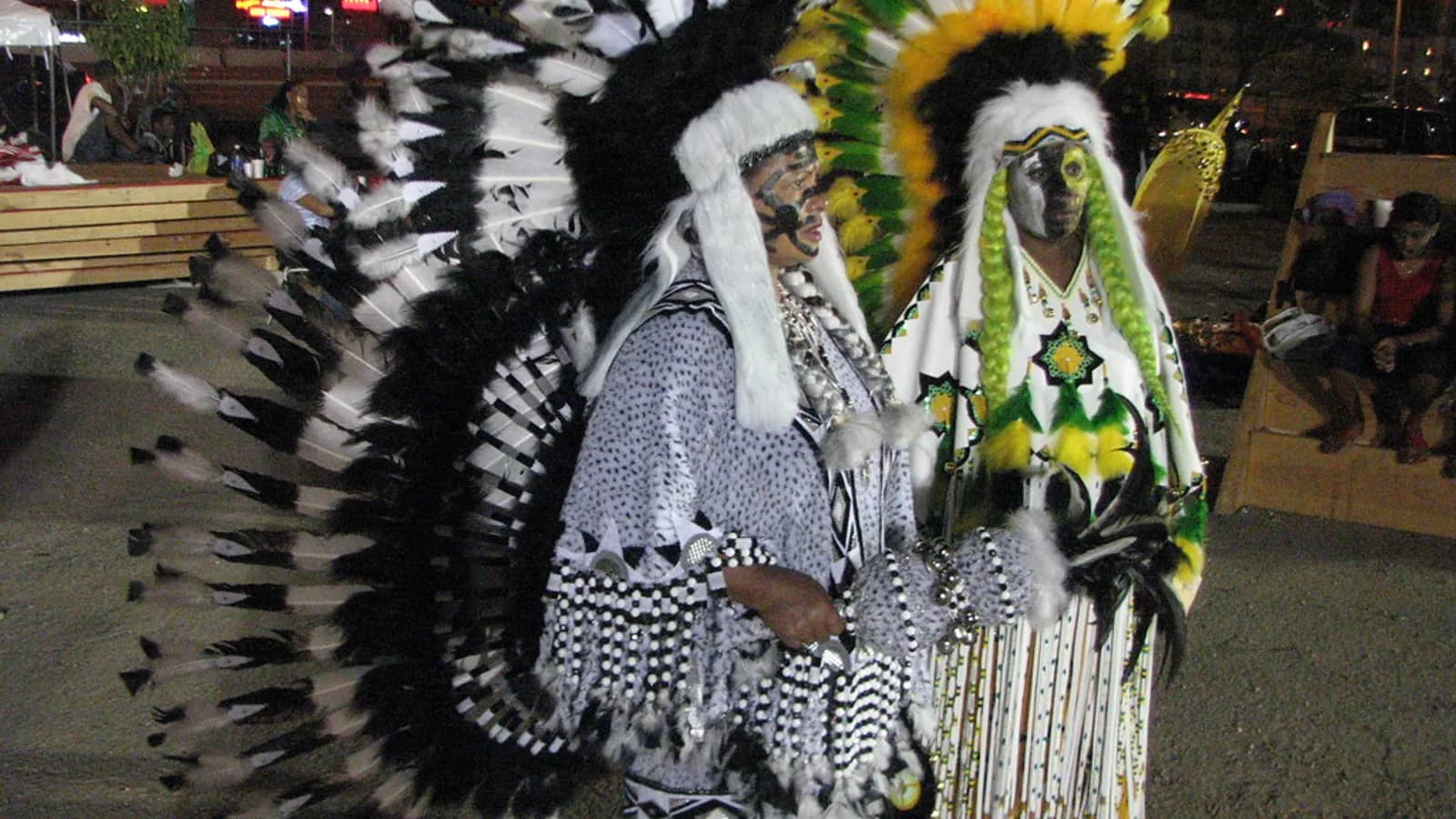
Photo: sfmission.com, CC BY 2.0, via Flickr (resized).
Frequently asked questions
Where did Caribbean carnival originate?+
Modern Caribbean carnival originated in Trinidad and Tobago, the birthplace of mas, steelpan, soca, and calypso, and the model that diaspora carnivals around the world follow.
What are the biggest Caribbean carnivals outside the Caribbean?+
Among the largest are Toronto's Caribbean Carnival (Caribana), London's Notting Hill Carnival, and Brooklyn's West Indian American Day Carnival.
What do Caribbean carnivals around the world have in common?+
They share the same core elements — mas costume bands, steelpan, soca and calypso music, and a spirit of freedom rooted in Emancipation.
Experience it for yourself
S.O.C.A. keeps Caribbean carnival culture alive year-round through events, workshops, and our artist community.