






What Is J'ouvert? Carnival's Dawn Celebration Explained
Before the feathers and the sun, there's J'ouvert — carnival's raw, muddy dawn opening. Here's what it is and why it matters.
Before the bright feathered costumes take the road, carnival opens in the dark with J'ouvert. This guide explains what J'ouvert is and where it comes from.
What does J'ouvert mean?
J'ouvert (pronounced "joo-vay") comes from the French jour ouvert — "daybreak" or "the opening of the day." It is the pre-dawn start of carnival, when revellers fill the streets in the hours before sunrise.
What happens at J'ouvert?
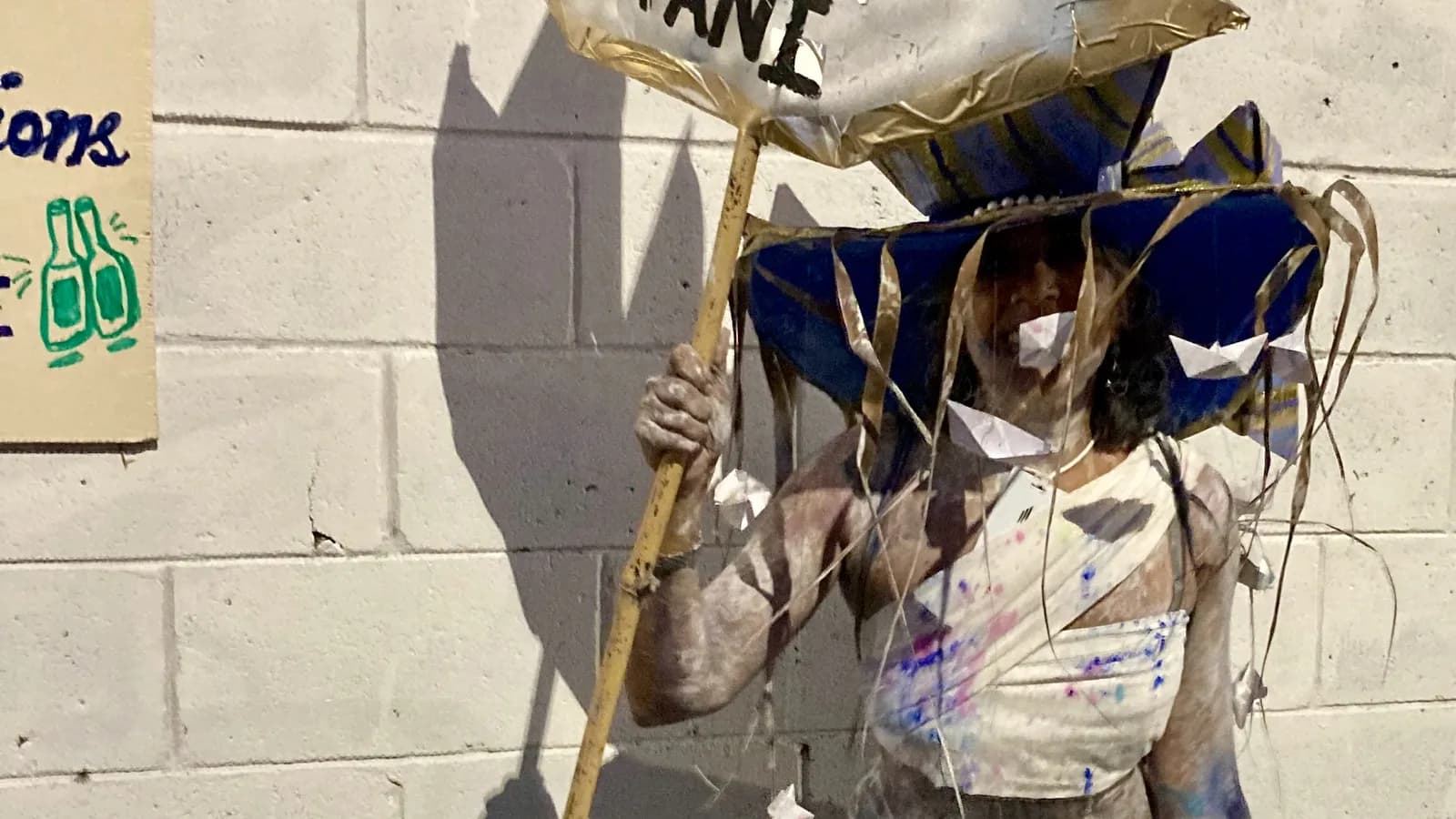
J'ouvert is raw and joyful. Instead of glittering costumes, people cover themselves and each other in mud, paint, oil, and powder, dancing to music through the streets as the sky lightens. It is playful, unpolished, and communal — the opposite of the polished "pretty mas" that comes later.
Where does it come from?
J'ouvert traces back to Canboulay, a 19th-century Trinidadian tradition connected to the celebration of freedom after Emancipation. Canboulay processions — with drumming, stick-fighting, and torches — were acts of cultural resistance, and J'ouvert carries that spirit of freedom and defiance into the present. (More in our Emancipation and carnival guide.)
J'ouvert today
J'ouvert is celebrated across the Caribbean and its diaspora. It reminds everyone that before the spectacle, carnival is about liberation and community. Learn more about carnival culture through our guides and events.
Photo: Trini.lise, CC0 1.0, via Wikimedia Commons (resized).
Frequently asked questions
What does J'ouvert mean?+
J'ouvert comes from the French 'jour ouvert', meaning daybreak or the opening of the day. It is the pre-dawn opening of carnival.
What happens at J'ouvert?+
Revellers fill the streets before sunrise covered in mud, paint, oil, and powder, dancing to music. It is deliberately raw and communal, unlike the polished pretty mas that follows.
Where does J'ouvert come from?+
J'ouvert traces back to Canboulay, a 19th-century Trinidadian tradition tied to the celebration of freedom after Emancipation, which carried drumming, stick-fighting, and acts of cultural resistance.
How do you pronounce J'ouvert?+
It is pronounced 'joo-vay'.
Experience it for yourself
S.O.C.A. keeps Caribbean carnival culture alive year-round through events, workshops, and our artist community.