






The Toronto Caribbean Carnival (Caribana), Explained
What the Toronto Caribbean Carnival actually is, where it came from, what happens during it, and why it matters — from a Caribbean arts nonprofit.
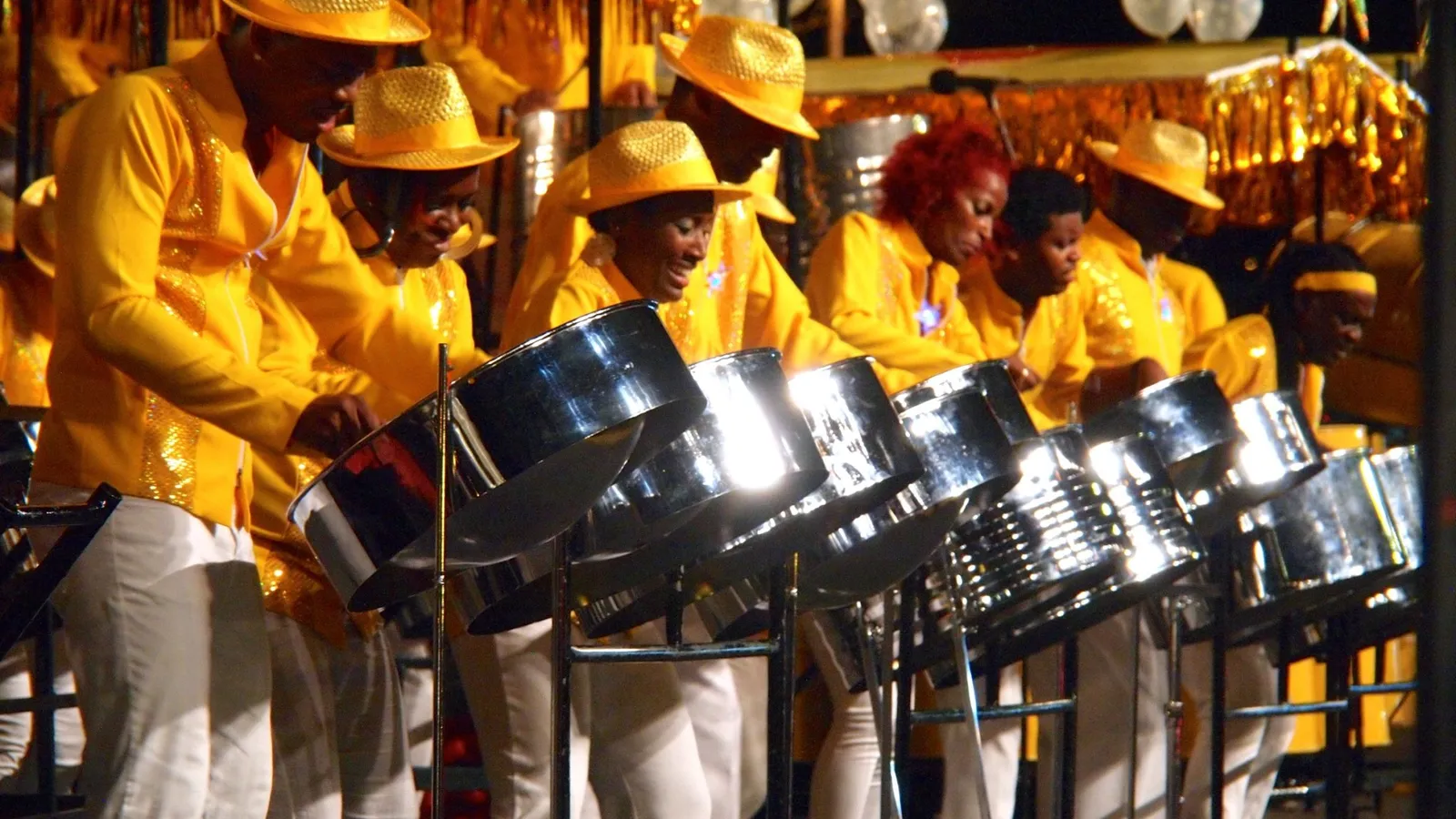
Quick answer: The Toronto Caribbean Carnival — long known as Caribana or Toronto Caribana — is North America's largest Caribbean festival, a multi-week celebration of mas, steelpan, and soca that peaks with the Grand Parade on the first Saturday of August.
Toronto Caribbean Carnival 2026 — key facts
- Dates: carnival weekend Thursday, July 30 to Monday, August 3, 2026
- Grand Parade: Saturday, August 1, 2026, along Lake Shore Boulevard, Toronto
- Organizer: the Festival Management Committee (FMC)
- Cost: most of the parade is free to watch
The Toronto Caribbean Carnival — long known as Caribana — is North America's largest Caribbean festival, drawing well over a million people to Toronto each summer. This guide explains what it is, where it came from, and what actually happens, without the ticket-selling pitch.
What is the Toronto Caribbean Carnival?
It is a multi-week celebration of Caribbean culture built around mas (masquerade costume bands), steelpan, soca, and calypso. The festival unfolds across roughly three weeks in mid-July to early August and culminates in the Grand Parade on the first Saturday of August. It is a cultural festival first — a public expression of Caribbean identity, history, and artistry in the heart of the city.
"Caribana" vs "Toronto Caribbean Carnival"
Both names refer to the same festival. Caribana is the original, beloved name the community has used since 1967. Toronto Caribbean Carnival is the festival's official name today. You will hear both used interchangeably.
Who organizes it?
The festival is produced by the Festival Management Committee (FMC). To be clear: Spirit of Caribbean Arts (S.O.C.A.) does not organize the Toronto Caribbean Carnival. We are a separate nonprofit that teaches and preserves the art forms at its core — mas-making, steelpan, and soca — through year-round youth programs and workshops. Think of us as the people helping raise the next generation of the artists you see on the road.
Where did it come from?
Caribana began in 1967 as a gift from Toronto's Caribbean community to Canada's centennial. Its roots reach back to the carnival traditions of Trinidad and Tobago and the wider Caribbean — traditions themselves born from the celebration of freedom that followed Emancipation from slavery. Every costume and pan note carries that history of resistance and joy.
What happens during the festival?
The festival is much more than one parade. Signature events include:
- The Grand Parade — thousands of masqueraders "play mas" in themed costume bands along Lake Shore Boulevard. It is the centrepiece, and most of the parade route is free to watch.
- King & Queen of the Bands — a showcase where the largest, most spectacular individual costumes compete. (We cover this in detail in our Kings & Queen guide.)
- Pan Alive / Panorama — steelband orchestras compete in one of the year's biggest steelpan events.
- Junior Carnival — the children's parade, where the youngest masqueraders take the road.
- Calypso and soca showcases — the music that powers carnival.
When and where is it in 2026?
In 2026 the carnival weekend runs from Thursday, July 30 to Monday, August 3, with the Grand Parade on Saturday, August 1. The parade travels along Lake Shore Boulevard between Exhibition Place and Coronation Park — a route of roughly 3.5 km. Always confirm exact times and routes on the official festival channels, as details are set each year.
Is it free?
Much of it is. Watching the Grand Parade from along Lakeshore is free, as are several family events like Junior Carnival and steelpan showcases. Playing mas in a band, joining premium viewing areas, or attending ticketed parties and concerts costs money.
Why does it matter?
For the more than 300,000 Caribbean Canadians in the Greater Toronto Area, carnival is living heritage — a way to pass language, craft, music, and history from one generation to the next. It is also one of Toronto's largest cultural and economic events. Preserving the art behind it is exactly why S.O.C.A. exists.
Learn and get involved
Meet the mas bands and steelbands in our community, explore our events, or read our companion guides on Caribana and the Kings & Queen competition.
Hero photo: Kip1234, CC BY-SA 4.0, via Wikimedia Commons (resized).
Frequently asked questions
Is Caribana the same as the Toronto Caribbean Carnival?+
Yes. Caribana is the original and popular name; Toronto Caribbean Carnival is the festival's official name today. Both refer to the same event.
When is the Toronto Caribbean Carnival in 2026?+
The 2026 carnival weekend runs from Thursday, July 30 to Monday, August 3, with the Grand Parade on Saturday, August 1. Confirm exact times on the official festival channels each year.
Who organizes the Toronto Caribbean Carnival?+
It is produced by the Festival Management Committee (FMC). Spirit of Caribbean Arts is a separate nonprofit that teaches and preserves the art forms — mas, steelpan, and soca — but does not organize the festival.
Is the Grand Parade free to watch?+
Yes, most of the Grand Parade route along Lake Shore Boulevard is free to watch. Playing mas in a band, premium viewing zones, and ticketed parties cost money.
Where does the Grand Parade take place?+
The Grand Parade runs along Lake Shore Boulevard between Exhibition Place and Coronation Park in Toronto, a route of about 3.5 kilometres.
What does 'playing mas' mean?+
Playing mas means participating in the parade as a costumed masquerader within a mas band — wearing the band's themed costume and moving with them along the route.
Experience it for yourself
S.O.C.A. keeps Caribbean carnival culture alive year-round through events, workshops, and our artist community.