











Emancipation and Carnival: The Freedom Behind the Celebration
Carnival's joy is inseparable from freedom. Here's the history connecting Emancipation, Canboulay, and the celebration we know today.
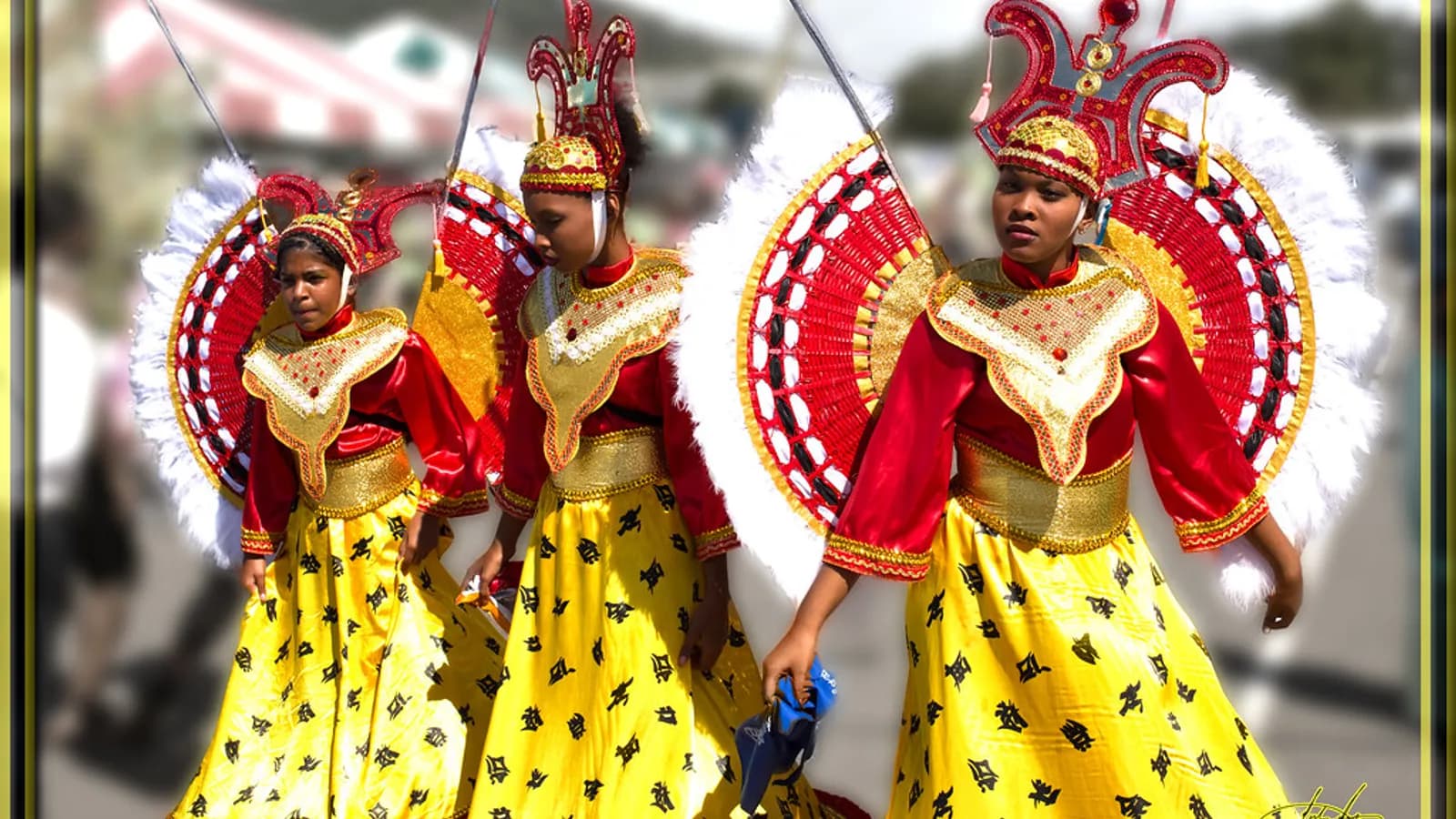
Caribbean carnival is often seen as pure celebration — and it is — but its roots run deep into the history of Emancipation and freedom. This guide explains the connection.
Carnival before Emancipation
In colonial Trinidad, elite European settlers held masquerade balls at carnival time, while enslaved Africans were excluded. Yet African cultural life persisted through drumming, song, dance, and ritual — often in secret, often under threat of punishment.
Emancipation changes everything
With the abolition of slavery, formerly enslaved people claimed carnival as their own. They took to the streets with their own music, costumes, and characters — turning a season of exclusion into a public celebration of freedom, identity, and survival. Carnival became a stage to satirise the powerful and to affirm African-Caribbean culture.
Canboulay
Central to this is Canboulay — processions with drumming, stick-fighting, and torches that commemorated freedom and resisted attempts to suppress the culture. Canboulay is a direct ancestor of modern J'ouvert, the pre-dawn opening of carnival.
Why it still matters
Every feather, pan note, and costume today carries this history of resistance and joy. Understanding it is why S.O.C.A. treats carnival arts as heritage worth preserving, not just entertainment. It is also why our own flagship event is the Emancipation March & Festival.
Learn more
Read our companion guides on Caribana, what mas is, and the history of steelpan, or join us at an event.
Photo: Mark Morgan, CC BY 2.0, via Flickr (resized).
Frequently asked questions
How is carnival connected to Emancipation?+
After the abolition of slavery, formerly enslaved people in Trinidad claimed carnival as their own, turning it into a public celebration of freedom, identity, and survival with their own music, costumes, and characters.
What is Canboulay?+
Canboulay was a 19th-century Trinidadian tradition of processions with drumming, stick-fighting, and torches that commemorated freedom and resisted cultural suppression. It is a direct ancestor of modern J'ouvert.
Why does carnival's history matter today?+
It reframes carnival as living heritage rooted in freedom and resistance, not just entertainment — which is why organizations like S.O.C.A. work to preserve the art forms behind it.
Experience it for yourself
S.O.C.A. keeps Caribbean carnival culture alive year-round through events, workshops, and our artist community.