









Caribbean History in Toronto: Past and Present
The Caribbean story in Toronto is one of resilience, community, and celebration. Here's how it was built — and where it's going.
The Caribbean presence in Toronto is a story of resilience, community-building, and celebration. This guide traces it from the past to the present.
Early roots
People of Caribbean and African descent have been part of Toronto's story for a very long time — including through the wider history of Black communities in the city. But the large, visible Caribbean community most people know today took shape in the second half of the 20th century.
The great growth: 1960s–1970s
When Canada reformed its immigration system in the 1960s, removing racial barriers, migration from the Caribbean rose sharply. Families arrived from across the region and put down roots — founding churches, businesses, associations, and cultural organizations that anchored the growing diaspora.
Building culture and community
The community built institutions and spaces that endure:
- Caribana (1967) — created as a gift to Canada's centennial, it became a cornerstone of Caribbean life in the city. (See our history of Caribana.)
- Little Jamaica — the Eglinton West corridor grew into a hub of Caribbean business, music, and food.
- Music and arts — steelpan orchestras, soca and calypso artists, reggae, and mas bands flourished.
The present — and the future
Today Caribbean culture is inseparable from Toronto's identity, from its food to its festivals. New generations — many born in Canada — are carrying it forward, blending heritage with new expression. Protecting and passing on that legacy is why S.O.C.A. exists.
Be part of it
Explore our carnival guides, meet the artists keeping the culture alive, and join us at an event.
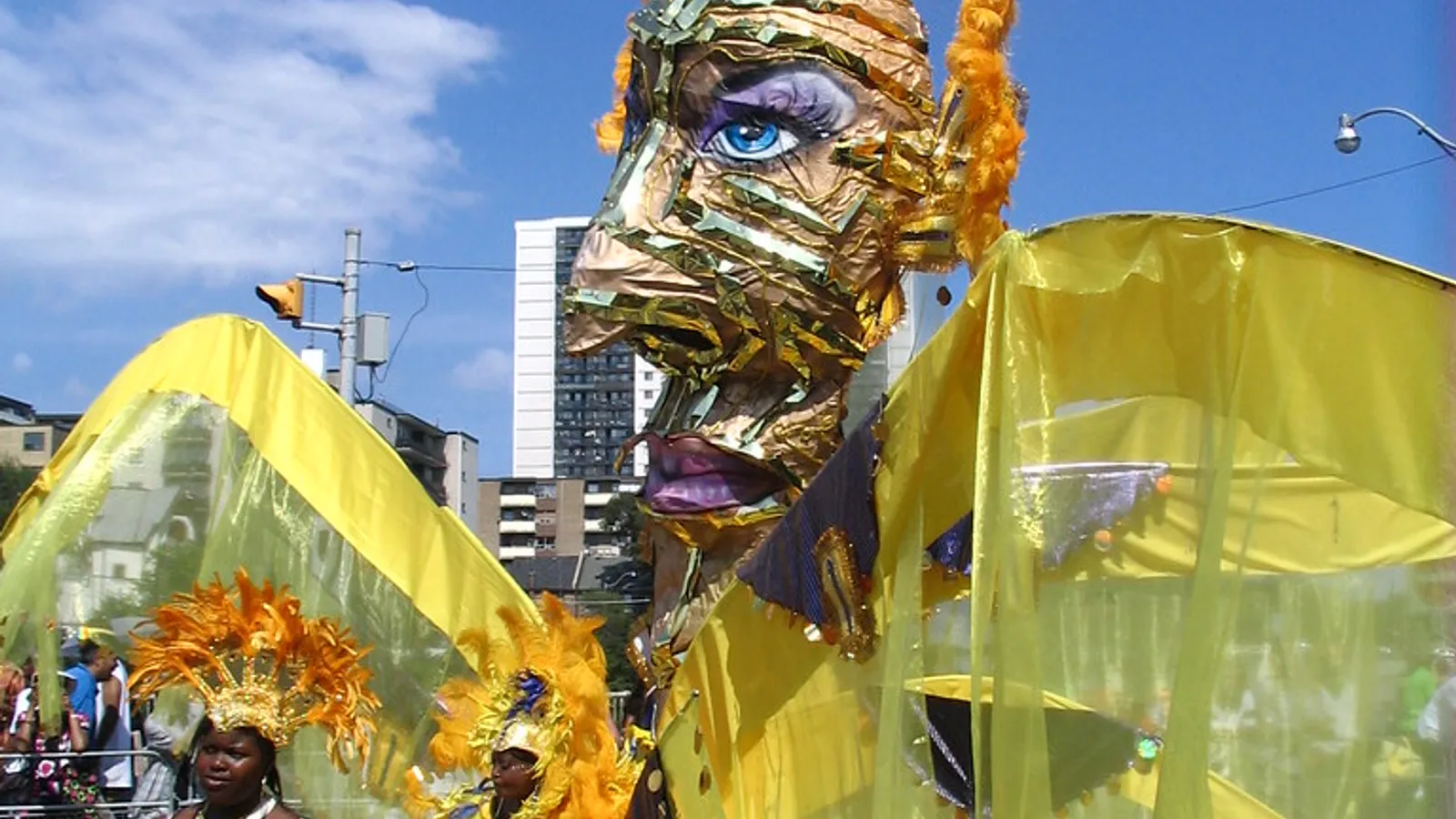
Photo: Loozrboy, CC BY-SA 2.0, via Flickr (resized).
Frequently asked questions
When did Toronto's Caribbean community grow?+
It grew most rapidly from the 1960s and 1970s, after Canada reformed its immigration system to remove racial barriers, leading to significant migration from across the Caribbean.
What role did Caribana play in Caribbean history in Toronto?+
Caribana, created in 1967 as a gift to Canada's centennial, became a cornerstone of Caribbean cultural life in Toronto and grew into North America's largest Caribbean festival.
Where is the historic heart of Caribbean business in Toronto?+
The Eglinton Avenue West corridor, known as Little Jamaica, grew into a key hub of Caribbean and Black-owned business, music, and food.
Experience it for yourself
S.O.C.A. keeps Caribbean carnival culture alive year-round through events, workshops, and our artist community.