






The Caribbean Diaspora in Toronto
Toronto's Caribbean community has shaped the city's music, food, business, and culture. Here's the story of the diaspora that built Caribana.
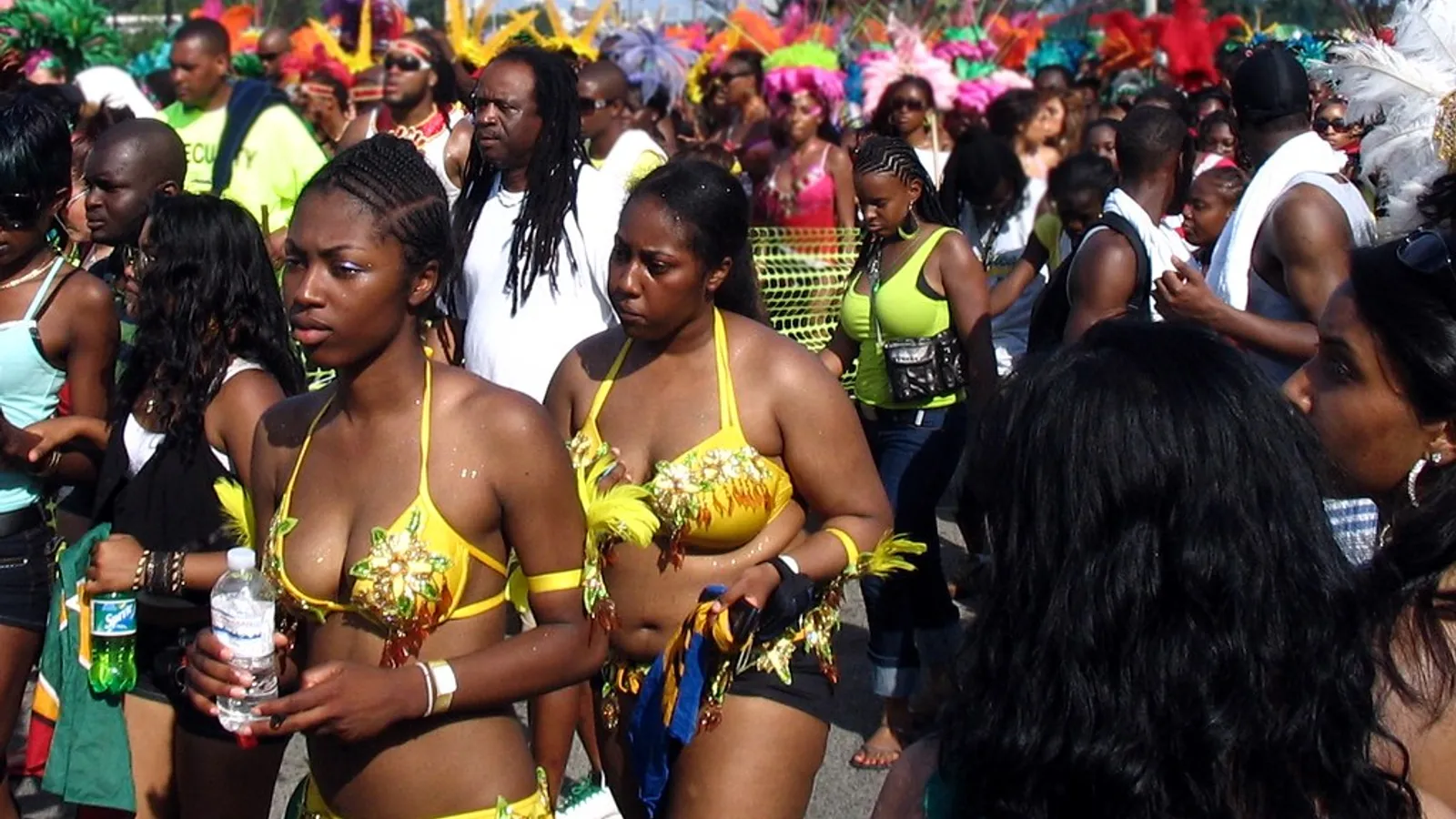
Toronto is home to one of the largest Caribbean communities in Canada — hundreds of thousands of people across the Greater Toronto Area. This guide tells the story of that diaspora and its impact.
How the community grew
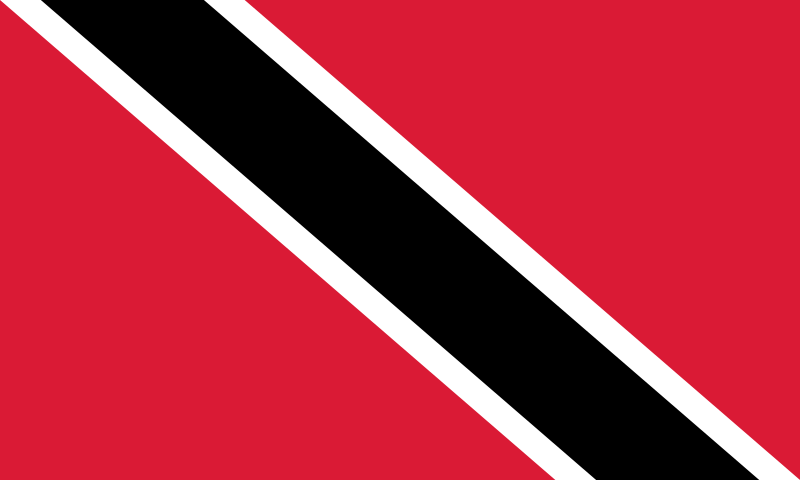
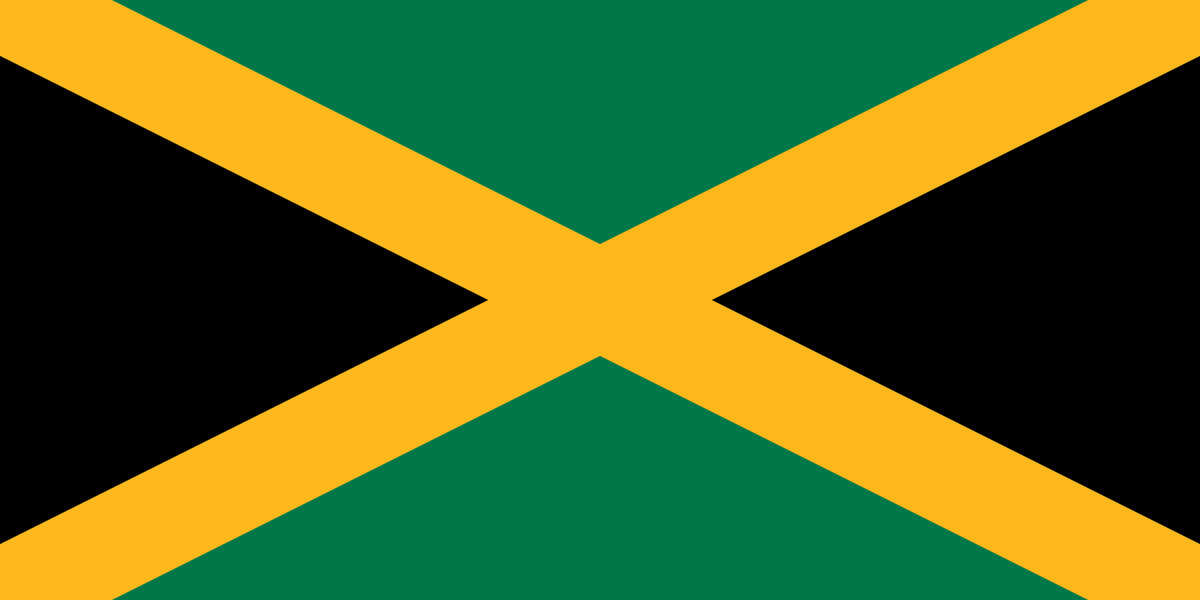
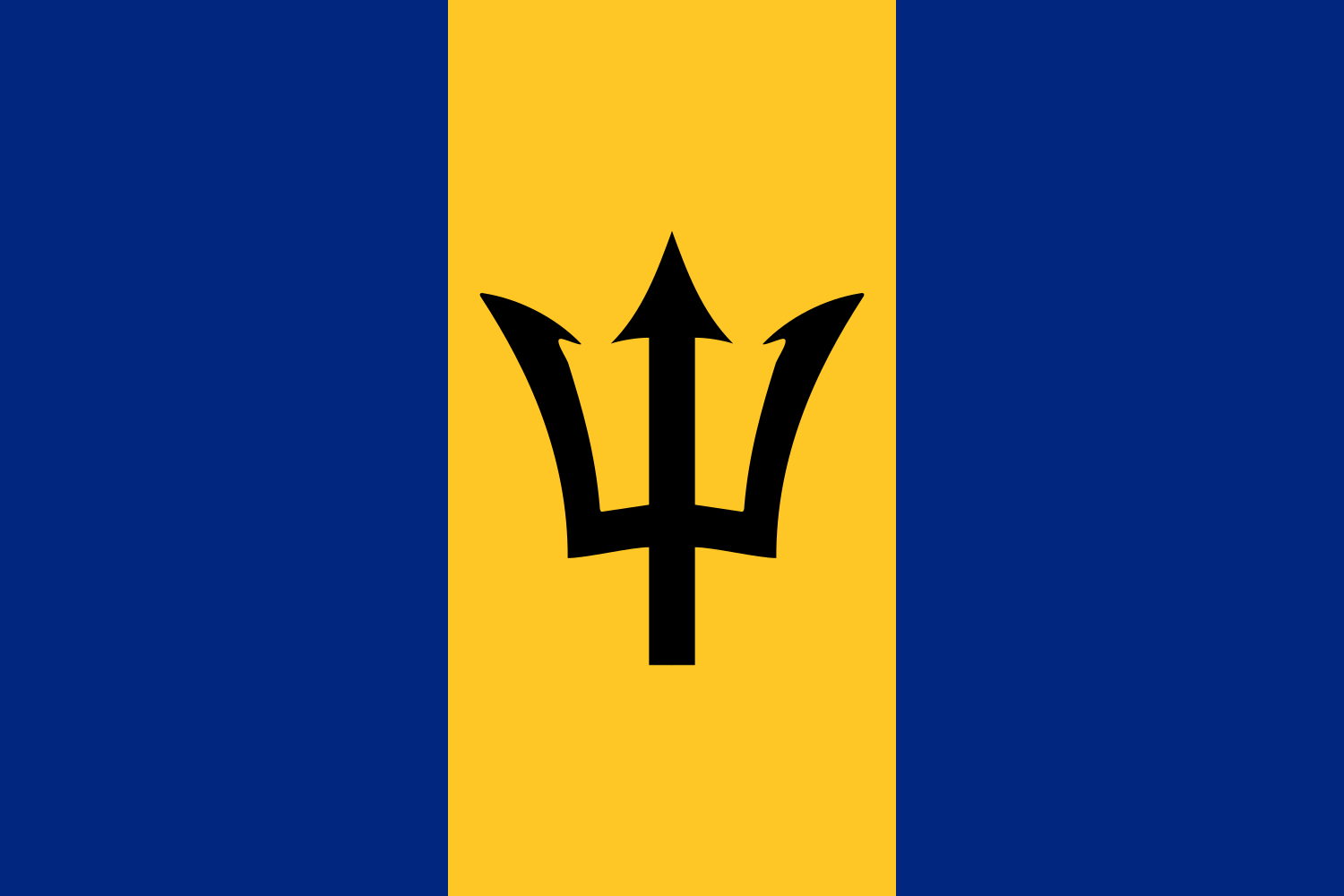
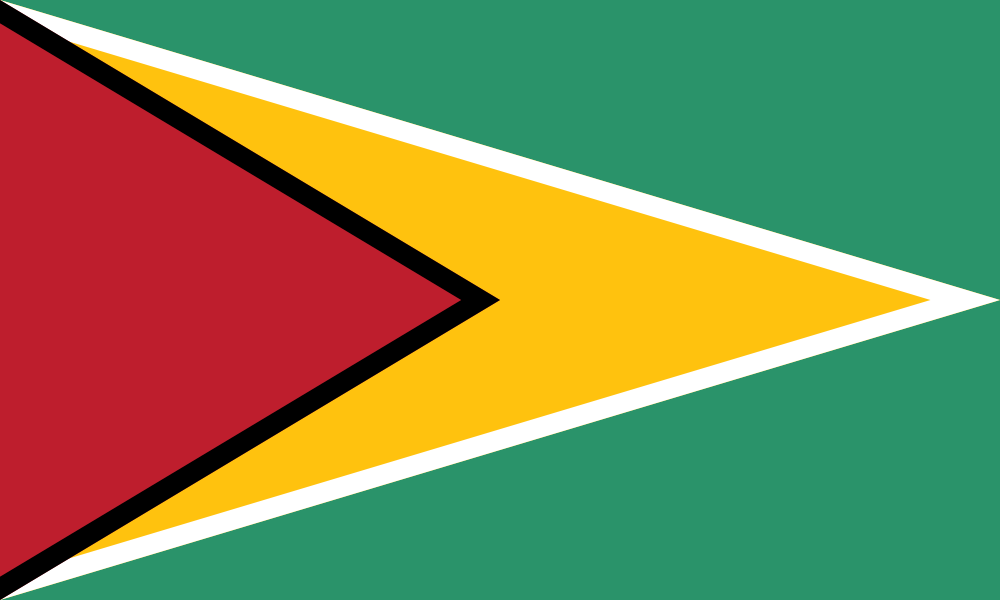
Caribbean migration to Toronto grew significantly from the 1960s and 1970s onward, as changes to Canada's immigration policy opened doors that had long been closed. People arrived from Trinidad and Tobago, Jamaica, Guyana, Barbados, and across the region — bringing their families, faith, food, and culture, and building new lives and communities in the city.
Culture that shaped the city
The Caribbean diaspora has profoundly shaped Toronto:
- Music — reggae, soca and calypso, steelpan, dancehall, and more became part of the city's soundtrack.
- Food — roti shops, jerk, and Caribbean cuisine are woven into Toronto's food scene.
- Business and neighbourhoods — areas like Eglinton Avenue West, long known as "Little Jamaica," became hubs of Caribbean-owned business and culture.
- Carnival — the community created Caribana in 1967, now North America's largest Caribbean festival.
A living, evolving community
Today the community spans generations — elders who arrived decades ago, and young people born here who carry the culture forward in new ways. That continuity of past and present is exactly what S.O.C.A. works to support.
Preserving the culture
S.O.C.A. exists to keep Caribbean arts and heritage thriving in Toronto for the next generation. Explore our guides, our artist community, and our events.
Photo: Loozrboy, CC BY-SA 2.0, via Flickr (resized).
Frequently asked questions
How large is the Caribbean community in Toronto?+
The Greater Toronto Area is home to one of the largest Caribbean communities in Canada — hundreds of thousands of people of Caribbean heritage.
When did the Caribbean community grow in Toronto?+
It grew significantly from the 1960s and 1970s onward, as changes to Canada's immigration policy allowed more people to arrive from Trinidad, Jamaica, Guyana, Barbados, and across the region.
What is Little Jamaica?+
Little Jamaica is a historic hub of Caribbean and Black-owned business and culture along Eglinton Avenue West in Toronto.
How has the Caribbean diaspora shaped Toronto?+
Through music, food, business, and culture — including reggae, soca, steelpan, Caribbean cuisine, neighbourhoods like Little Jamaica, and the creation of Caribana in 1967.
Experience it for yourself
S.O.C.A. keeps Caribbean carnival culture alive year-round through events, workshops, and our artist community.